
I didn't set out to become a
governance consultant.
I set out to understand people.
My career started with a psychology degree and a genuine curiosity about how people think, communicate, and what gets in the way of both. That foundation followed me into every role I've held since, even when the job title said something else entirely.
When I moved into technology and eventually into GRC, I kept seeing the same thing: organizations investing in systems, policies, and frameworks that weren't working — not because the tools were wrong, but because the human side had never been addressed. An approval process that bounced between departments for years because nobody owned it. An AI policy that was thorough on paper and completely unworkable in practice. A CIO so unpredictable that her leadership team stopped offering ideas altogether — and half of them eventually left.
These weren't technology failures. They weren't compliance failures. They were human patterns that nobody had named, and therefore nobody could fix.
Mid-career, I took an intentional detour and came back with a communications degree and a growing conviction that the gap between what people know and what they can actually communicate to others was its own kind of organizational failure.
Once you see the pattern, you can't pretend it isn't there.
Understanding how people are wired — how they process information, how they're motivated, how their history shapes the way they show up at work — became as important as any technical skill I'd developed. One-size-fits-all doesn't work in governance, in leadership, or in organizations, because it requires treating people as interchangeable rather than as whole human beings with distinct experiences, needs, and patterns.
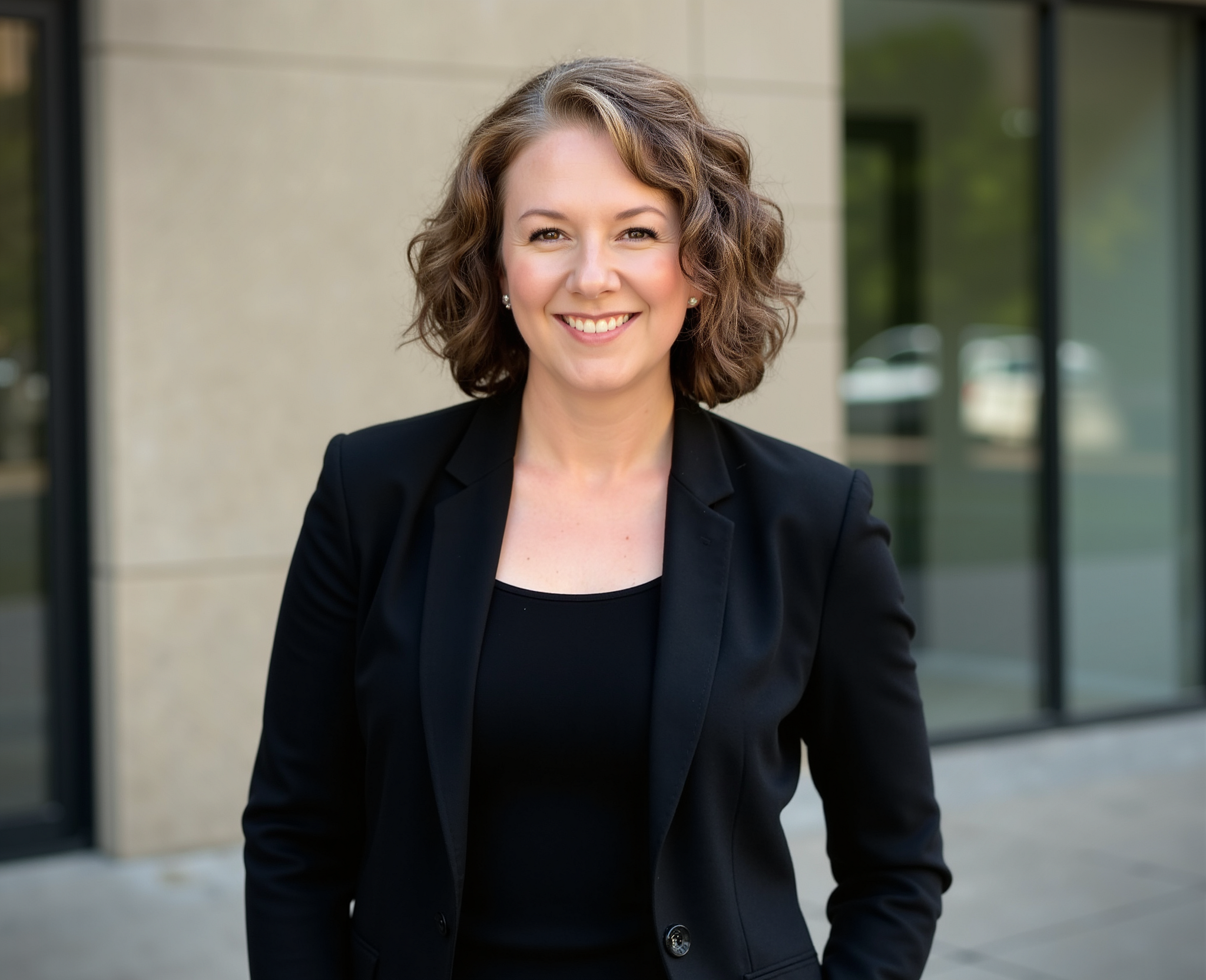
I’m Chasserae Coyne, founder of Coyne Advisory Group.
I bring together two decades of experience in IT, cybersecurity, GRC, and AI governance with a practitioner's understanding of the human dynamics that make or break organizations. I've built governance programs from the inside. I've watched trust erode slowly and I've watched it collapse overnight — and I've learned to see the warning signs before either happens.
I work with small and mid-market organizations whose leaders know something is off but can't name it yet. I help them see what's actually driving the friction — and build something healthier, more sustainable, and more capable in its place.
A few things worth knowing:
B.S. in Psychology, B.A. in Communications
Regular contributor to ISACA and InfoSecurity Magazine
ISACA — CISM, Emerging Trends Workgroup
Speaker — ISACA conferences, industry panels, Cybersecurity Summits
ICF coaching certification — in progress
If you want to understand the thinking behind the work, here's where I write.
Let’s talk about what’s going on.
If something feels off in your organization and you're not sure what it is — or you know exactly what it is and you're not sure where to start — I'd like to hear about it.
No pitch. No pressure. Just a conversation.